
What Salamander Tails Taught Me About Research
By: Olivia Gatto
Figure 1. Headshot of Olivia Gatto.
At some point over the past year, cutting off salamander tails became a normal part of my week.
It may sound a bit unhinged, but this ritual has been the foundation of my undergraduate research career at UNC.
At the Riddell Lab, we study how organisms respond to environmental change. As a pre-med student, choosing this lab was not the obvious decision. I interviewed with more ‘medicine-forward’ labs and was even offered a position doing PCR, gels, and more traditional wet-lab techniques. However, I could not stop thinking about the Riddell Lab. The work was hands-on, I would be directly involved in the research itself, and there were amazing people there that I clicked with. In the end, I trusted my instincts to choose the Riddell Lab, and I am incredibly glad I did.
The project I help with studies regenerative pathways in animal tissues to better understand how regeneration functions more broadly, including in humans. My research focuses on Plethodon metcalfi, a salamander species native to Appalachia. These amphibians live along natural temperature and elevational gradients, making them ideal for studying how environmental conditions influence biological processes. They are also one of a few organisms capable of fully regenerating complex tissues.
Since joining the lab a year and a half ago, I’ve helped induce tail regeneration, measure weekly regrowth, and document changes using a dissection scope and imaging software. I spent the entire summer carefully measuring millimeters of new tissue every week in each of our 80 salamanders. We ran metabolic rate trials to understand how energy use might be linked to their regenerative capacity. Research is far more repetitive and detail-oriented than most people imagine. Many days look the same, but that repetition is what makes the data meaningful.
This semester, we expanded the project into full lipid extractions of the whole salamander. Regrowth rates tell us how quickly tissue returns, whereas lipid analyses allow us to look deeper, investigating the biochemical and energetic foundations underlying that regeneration. By studying how the salamanders allocate their energy and structure new tissue under different conditions, we can begin to understand regenerative pathways with implications for human medicine.
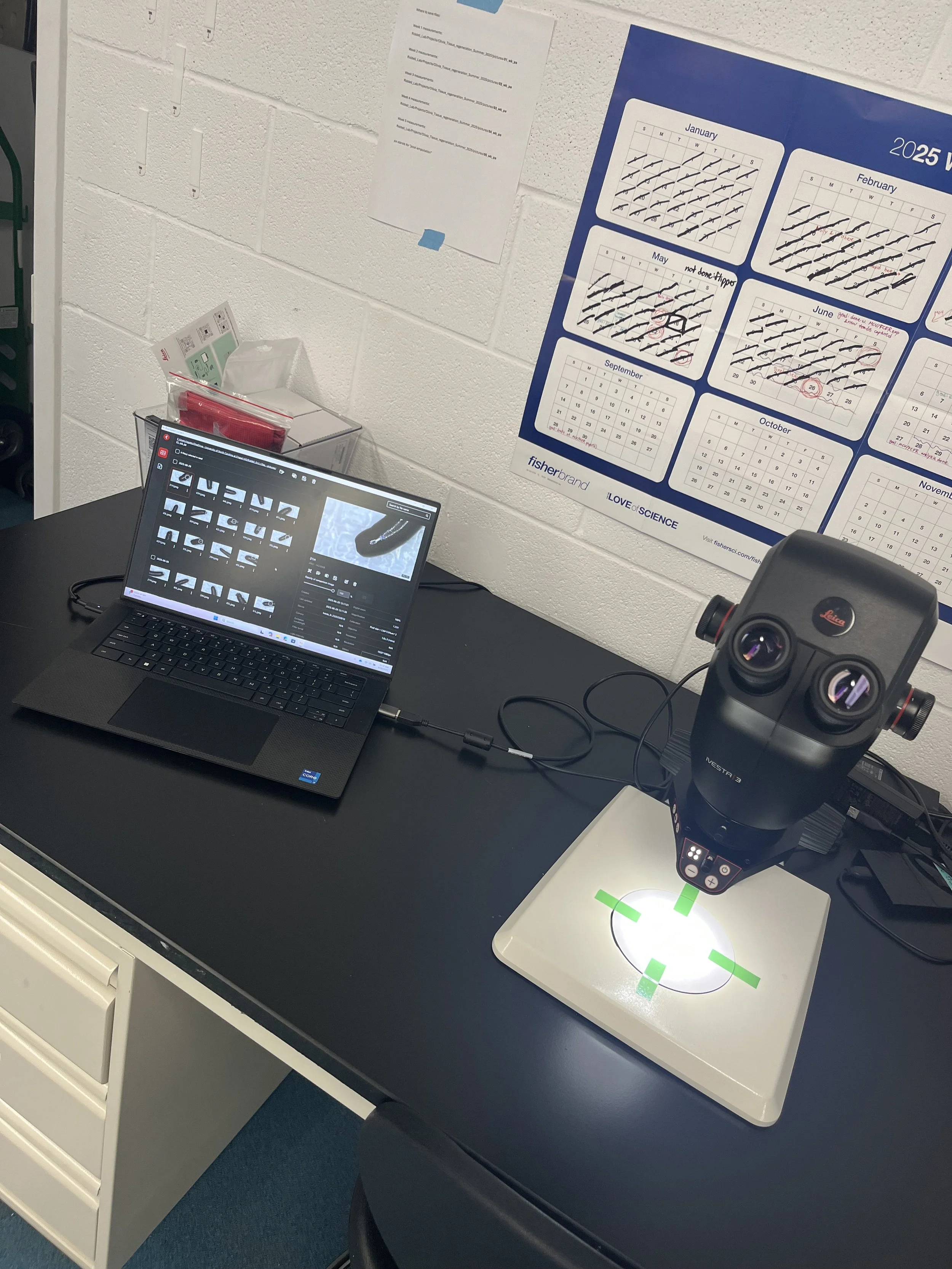
Figure 2. The data-gathering setup for the research project.
From measuring tail regrowth to analyzing the data under the guidance of my mentor and PI, the Riddell Lab immersed me in meaningful work from day one. The enjoyment I felt as part of the team made the choice to stay an easy one. Since then, my mentor, PhD student Issi Burger, and PI, Dr. Riddell, have guided the experimental design, allowing me to handle a lot of the hands-on measurement and analysis. Issi and I also work together on data interpretation and manuscript preparation, and I have learned so much from her one-on-one. We are currently working toward publication, a process that feels intimidating and exciting at the same time.
One of my first major milestones was presenting at UNC’s SMART (Science and Math Achievement and Resourcefulness Track) Program poster symposium. As a transfer student from Illinois, SMART helped me find my footing in Carolina’s research ecosystem (shoutout to Dr. Gidi Shemer, the backbone of the program!). Explaining my work to strangers both inside and outside of the field made the project feel real, and left me very proud of how far I’ve come.
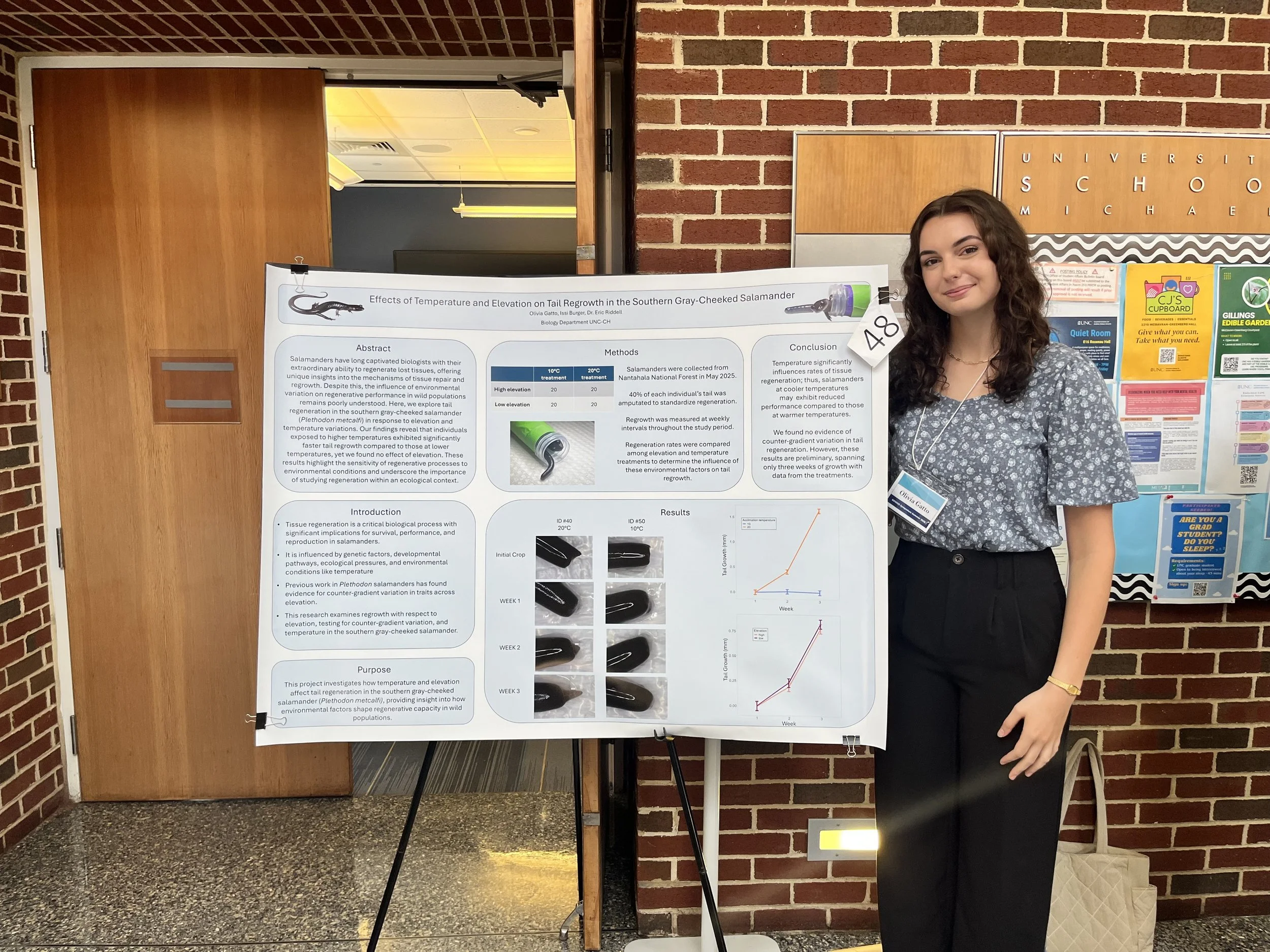
Figure 3. Presenting at a poster symposium as part of the SMART program.
In January, I had the amazing opportunity to travel with the lab to Oregon for the Society for Integrative and Comparative Biology conference, where hundreds of scientists gather in one place for a multi-day appreciation of research. This time, I challenged myself with a fifteen-minute presentation instead of a poster. Standing in front of so many scientists in one room and walking them through our project’s results was one of the most surreal moments of my life. I saw some of the biggest names in the field, like Dr. Huey, who wrote most of the papers our lab uses to shape our research. Dr. Craig Franklin, Editor-in-Chief of the Journal of Experimental Biology, even told me himself that my presentation was “very well done.” I felt less like a student observing the field and more like a scientist contributing to it. At that moment, I know: choosing this lab may not have been the ‘safe’ pre-med choice, but it had been the right one.
Many undergraduate researchers choose to remain in academia full-time, but I still plan on pursuing medicine. My research experience has not replaced that goal, but complemented it. Medicine and research are not separate worlds. The questions asked in seemingly unrelated subjects today may influence the therapeutic solutions developed tomorrow.
Helping salamanders regrow their tails may not sound like your everyday pre-med activity, but it has been the most formative part of my time at UNC. It taught me patience, precision, and the confidence to make my own path. As I prepare to graduate, I’m grateful I chose curiosity over convention.